
Light in the Storm: Why Some Lighting Systems Fail in the Cold

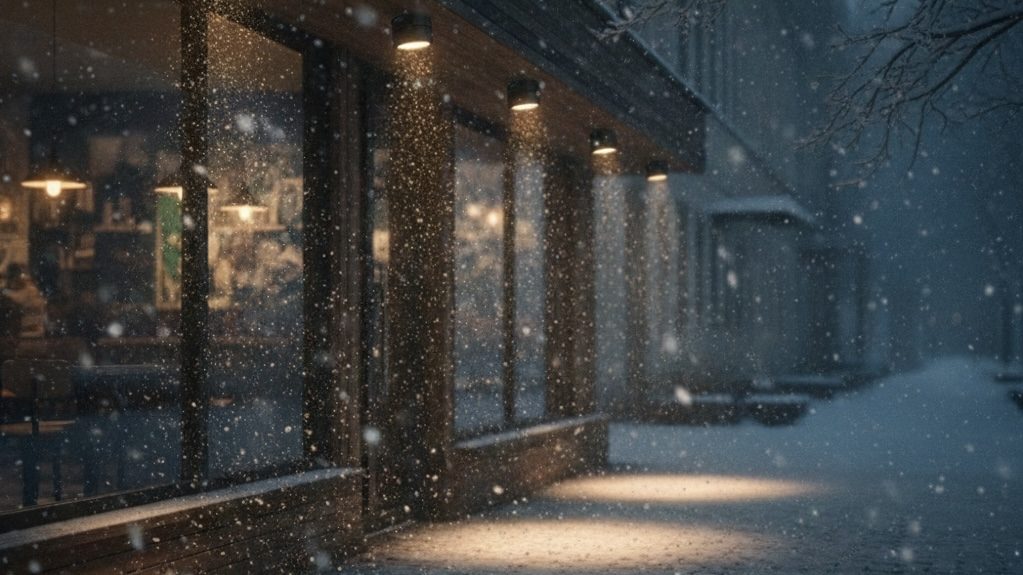
As the recent Arctic blast blankets Europe in picturesque white, the heavy snowfall has also brought a hidden challenge: the widespread failure of outdoor lighting systems in many communities.
If you’ve noticed streetlights flickering or garden lights going dark as the temperature drops, it’s not a coincidence. Extreme cold and heavy snow test the very limits of engineering.
Why Do Lights Fail During Winter?
• Thermal Stress: Many lighting fixtures use standard plastics that become brittle and crack when temperatures plummet, exposing internal circuits.
• Moisture Infiltration: Melting snow is more persistent than rain. It finds the smallest gaps in seals, leading to condensation and short circuits.
• Component Strain: Inferior LED drivers often struggle to start or maintain steady output in sub-zero environments.
The Beauty of Reliability
In seasons like this, lighting is more than just aesthetics—it’s about safety and peace of mind. We believe that a truly superior lighting system shouldn’t just shine during warm summer nights; it should remain a steady, warm beacon even in the depths of a mid-winter blizzard.
Our products are engineered with these harsh environments in mind. From military-grade sealing materials to advanced thermal management, every component is selected to ensure that when the world is buried in snow, your path home remains brightly lit.
Quality isn’t just a specification—it’s the lamp that stays on when all others have gone dark.